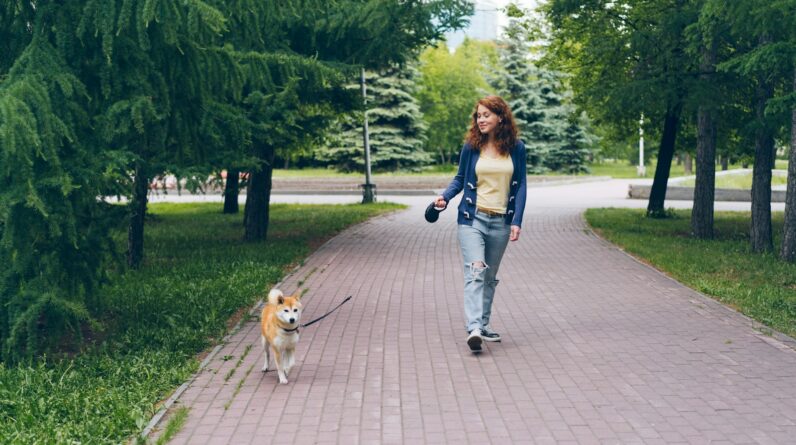
Why Dogs Love a Good Plan
Hey friends, today we’re talking about something super important for our furry buddies — routines! Now, you might think, “Why would a dog need a routine? They’re dogs!” But guess what? Just like us, dogs do way better when they know what to expect.
Wakey Wakey, Paws and Stretchy
Imagine you’re chilling in your pajamas, watching cartoons, and suddenly, you have to get ready for a surprise family trip. Feels a bit jumbled, right? Well, dogs feel the same way when things pop up out of nowhere. They love waking up knowing what comes next. Maybe it’s a morning walk, breakfast, or some playtime. It makes them feel safe and happy.

Yum Time and Play Time
Food is a big deal for dogs, and they really like to know when it’s coming. Eating at the same time every day helps them keep their tummies happy and their minds calm. After they’ve gobbled up their grub, they’re pumped to play. Stick to a playtime so they don’t start thinking that maybe every moment is a good time to nudge you with their favorite squeaky toy.
Learning the Good Doggy Ways
If you’re trying to teach your dog some neat tricks or just the basics like sitting and staying, doing it at the same time every day is like magic. They get into a learning groove and might pick up things faster. Plus, it’s easier to remember for both of you.
Chill Time is Real
Dogs need to chill just like we do after a long day. If they know when it’s time to relax or have a little nap, they can switch off their busy doggy brains and get some rest. This can help them be super fresh for more fun stuff later.
Bedtime Zzz’s
When it’s getting late, routines help dogs understand that it’s almost time to hit the snooze button. Maybe you have a special bedtime signal like turning down the lights or giving them a cozy blanket. With a nightly routine, they can drift off to sleep land without a fuss.
What if Plans Change?
Things can’t always be the same, and that’s cool. Dogs can learn to be okay with changes if we help them. If you know something will be different, try to keep some parts of their day the same. It’s like having a piece of home with you when you’re on a trip.
Paw-sitive Vibes!
Routines help our doggos feel good. They know what to expect, and that makes them happy, and when they’re happy, we’re happy. So, a big YES to routines, because they make life smoother for our four-legged friends and for us too!
Remember This, Dog Parents
You don’t have to write a super strict schedule for your pup, but having a basic plan for each day will make a big difference. Try it out and watch how your dog starts to groove along with the routine. You might just find that things get easier for everyone in the house.

Every Dog is Different
Lastly, all dogs are unique, just like us. Some may need a bit more wiggle room in their day, while others are all about sticking to the plan. Get to know what makes your furry pal the happiest and work the routine around them. It’s all about making sure they have the best doggo life they can have.
Why is sticking to a regular routine important for dogs?
Just like us, dogs feel more secure when they know what to expect. A regular routine helps reduce their anxiety by providing predictability in their day-to-day life. It sets clear expectations for when it’s time to eat, play, and sleep, which can help avoid behavior issues.
Consistency in their routine also helps with training. Dogs learn through repetition, so doing things like walks, meals, and potty breaks at the same time each day makes it easier for them to understand and remember the rules.
Can a routine help with my dog’s eating habits?
Absolutely! Feeding your dog at the same times each day can regulate their digestive system. It helps manage their hunger and can even prevent overeating, which can lead to obesity. A predictable eating schedule is particularly beneficial for dogs with sensitive stomachs.
Sticking to a routine also trains them to expect food at certain times, reducing anxiety around mealtime. Make sure to measure their food and keep treats in check to maintain a healthy diet.
Will having a routine make it easier to house-train my puppy?
Definitely! When house-training, taking your puppy out at regular intervals teaches them when and where it’s okay to go potty. A routine helps them hold it until the next scheduled potty break, which minimizes accidents in the house.
Keep these breaks consistent – first thing in the morning, after meals, during playtime, and right before bed are key times. Praise and rewards for going outside reinforce good behavior and speed up the training process.
Is exercise included in a dog’s daily routine, and why is it important?
Exercise is a must in your dog’s routine. It keeps them fit and healthy, and burns off extra energy that might otherwise go into destructive behavior. A good run or walk can also improve their mental health, giving them something to look forward to each day.
Whether it’s a long walk or a game of fetch, make sure you’re consistent. Exercise helps maintain their weight and joint health, and for high-energy breeds, it’s essential to keep them happy and well-behaved.
How can I adjust my dog’s routine when there’s a change in my schedule?
Changes happen, but do it gradually if you can. If your work hours change, begin by shifting your dog’s schedule 15 minutes at a time towards the new routine. This makes the transition smoother, helping your dog adjust without too much stress.
Don’t forget about them when you’re busy. Even on hectic days, make time for quick walks and playtime. If needed, consider a dog walker or a friend to help maintain the routine until your dog is comfortable with the new normal.
Key Takeaways
- Dog routines matter! Much like kids, our furry pals thrive with a predictable schedule—it helps them feel secure and understand what’s expected of them.
- Mealtime consistency is key. Feeding Fido at the same times each day can prevent overeating and tummy troubles.
- Regular walkies aren’t just for potty breaks. They’re also crucial for exercise, mental stimulation, and establishing a bond with your pooch.
- Don’t forget the power of playtime and downtime. Scheduled fun sessions and chill moments keep your dog happy and help avoid mischievous behavior.
- Consistency is gold when it comes to training. Regular practice slots for sit, stay, and come can work wonders for obedience levels.
- For the working pet parents—consider a pet sitter or doggy daycare to maintain that all-important routine even when you can’t be there.
- Vet visits and grooming should also get a spot on the calendar. Staying on top of health and hygiene is part of a solid dog routine necessity.
- Need to shake things up? Gradual changes to the routine can smooth out the bumps—sudden switches might stress your buddy out.
- Fido’s breed and age play a role, too. A high-energy pup might need more playtime, while seniors might appreciate longer naps.
- Every dog is a unique individual. Pay attention to your furry friend’s cues and tweak the routine for their happiness and well-being.
Final Thoughts
So, here’s the lowdown. Dogs thrive on predictability—it’s like their life’s metronome. Scheduled feeding times, walks, and play sessions help your furry buddy feel safe and secure. Consistency in their daily routines reduces anxiety and can sort out behavior kinks, giving them a solid framework to live a paw-some life.
Keep it flexible though; life’s not always a well-oiled machine. A little wiggle room means you won’t throw Rex into a tailspin if you’re running late from work. But try not to stray too far from the routine—they’re creatures of habit after all. And remember, every dog’s different, so tailor that schedule to fit like a glove, and watch them trot along happily by your side.