Got a Picky Pooch? Tips on Feeding New Foods to Your Dog
Hey there, dog parents! Have you ever tried to give your furry buddy a new kind of food and they just stared at you like, “Nope, not happening”? It can be tricky to get your dog to try new things, but don’t worry, I’ve got some cool tricks up my sleeve to help you out. Let’s dive right in and turn your picky pooch into a brave food explorer!
Start with Tiny Bits
Imagine someone gives you a HUGE, weird-looking fruit you’ve never seen before and tells you to eat it. You’d probably be like, “Umm, no thanks!” But what if they gave you a teeny-tiny piece to try? That’s not so scary, right? It’s the same for your dog. Give them just a little bit of the new food mixed into their usual noms. This way, it’s not so overwhelming, and they can get used to the taste slowly.

Play the Mix and Match Game
Dogs love their routine and the food they’re used to. So, when you’ve got a new food to introduce, make it a game. Mix the new stuff with their old favorites. Each day, you can add a little more of the new food and a little less of the old one. Keep doing this until, ta-da! They’re gobbling up the new food like it’s their job.
Be Sneaky and Patient
Sometimes, sneaking around is actually okay, especially when it comes to dog food. If your dog sniffs out the new food and walks away, try again later. Dogs can be just like us when we’re not in the mood for something. So, give them time. Offer the new food again in a few hours or maybe the next day. Keep it chill and don’t rush them.
Make Mealtime Fun!
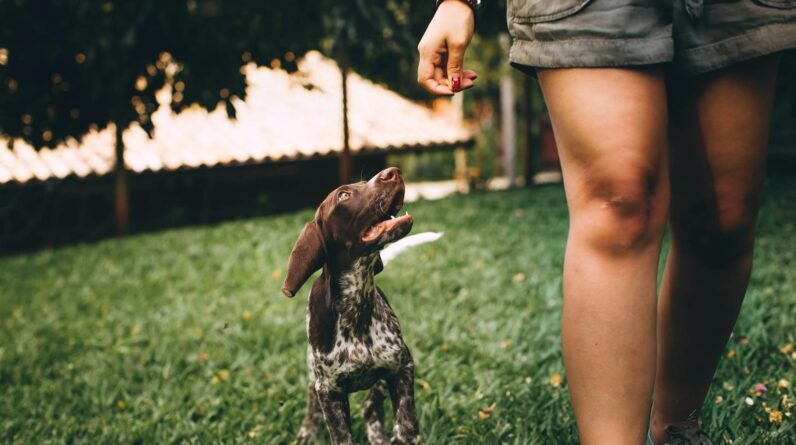
Who says eating has to be boring? Turn it into a game! Use the new food as a treat during playtime. When you’re playing fetch or teaching your dog a new trick, use the new food as a reward. They’ll be so excited about the game that they might not even notice they’re trying something new. And they might just associate the new food with having a great time!
Keep an Eye on Your Buddy
Alright, so you’re doing great and your dog is giving the new food a shot. Awesome! But keep an eye on them just in case. Sometimes new foods can make a dog’s tummy a bit upset. If you see your dog acting differently, like if they’re not as bouncy as usual or their potty breaks are weird, it might be the new food. If that happens, talk to a vet to see what’s up.
Make New Foods a Happy Deal
You know how you get super excited for your favorite dessert? Dogs can feel that way about new foods too, if you make it a happy deal. When you give them new food, talk in a happy voice, give them pets, and maybe play their favorite game. You want them to think, “Hey, new food means good times!”
When Your Dog Says Nope
Let’s be real, sometimes a dog just says “no” to new food. And that’s okay! You can’t force them to like everything. Just like some of us don’t like broccoli or tomatoes, dogs have their own tastes too. Give them a high-five for trying and let them stick to the foods they love. It’s all good!
Remember, every dog is different. Some dogs will dive into new foods like they’re on a treasure hunt, while others might need a little more time and patience from you. Just keep it light and fun, and before you know it, your dog might surprise you by chomping down on something new.
Good luck and give your dog an extra belly rub from me!
Is it safe to switch my dog’s food suddenly?
It’s not the best idea to switch your dog’s food all at once. Dogs have sensitive stomachs, and a sudden change can cause digestive upsets. To keep your pup’s tummy happy, it’s important to transition slowly.
Start by mixing a small amount of the new food with the old, and gradually increase the new food over 7-10 days. Watching how your dog responds during the switch helps you adjust the pace as needed.
How often should I introduce new dog foods?
Changing your dog’s diet isn’t something to do frequently. Dogs need a consistent diet for optimal health. However, if you need to change foods, it should be because of specific reasons like life stage, health, or preference changes.
Each time you decide on a new food, give the transition several days to a couple of weeks. This allows your dog to comfortably adapt and also lets you observe for any reactions to the food.
What are the signs that my dog isn’t adjusting well to new food?
Keep an eye out for any digestive issues like diarrhea or vomiting. These can be signs your dog isn’t adjusting well to the new food. Changes in appetite or energy levels and any signs of discomfort should also be noted.
If you observe any of these reactions, it’s wise to slow the transition. You might even need to go back to the old food and consult with your vet to choose a better-suited new food.
Can I mix wet and dry dog food when introducing a new diet?
Absolutely, mixing wet and dry dog food can be a tasty and intriguing option for your dog. This combination can also ease the transition by adding a familiar texture or flavor to the new food.
Just be mindful of the nutritional balance and overall portion sizes when mixing foods. The last thing you want is an overfed pup or one that’s lacking in necessary nutrients.
What’s the best way to compare ingredients in my dog’s current and new food?
Start by reading the ingredient labels carefully. Look for high-quality proteins, whole grains, and vegetables listed at the top since ingredients are listed by weight. Notice anything the new food might have that your dog’s current one doesn’t, like different protein sources, grains, or added nutrients.
It’s also a good idea to compare the guaranteed analysis, which shows the minimum amounts of protein and fat, along with the maximum amounts of fiber and moisture. This comparison will help you understand the nutritional changes between the old and new food.
Key Takeaways
- Start small when introducing new dog foods to avoid upsetting your pup’s stomach—mix in the new food with their current food gradually over several days.
- Keep an eye on your dog’s reaction to the new food. Look out for any signs of digestive issues or food allergies, like itching or gastrointestinal upset.
- Be patient and don’t rush the process. Some dogs might need more time to adjust to a new diet than others, so go at your dog’s pace.
- Stick to high-quality foods that are formulated to meet your dog’s specific nutritional needs based on their age, size, and activity level.
- Consult with your veterinarian before making any major changes to your dog’s diet, especially if your dog has pre-existing health conditions.
- Make mealtime exciting by presenting new foods in a positive light—encourage and praise your dog when they try something new.
- Remember that consistency is key. Once you’ve introduced the new food successfully, maintain a consistent feeding schedule to help your dog’s digestive system stay regulated.
Final Thoughts
Introducing new foods to your dog is like a fun taste-test adventure. Remember, go slow and keep it simple. Mix a bit of the new stuff with their usual grub, and watch for any funny business in their tummy or behaviors. Keep those portions teeny-tiny at first and gradually increase them.
Your furball’s stomach is sensitive, so patience is key. Think one food at a time to spot any allergies or dislikes. If they turn up their nose or have a bad reaction, don’t stress; just try something else. Chat with your vet if you’re unsure or if Rover’s tummy rumbles too much.
Lastly, keep an eagle eye on their poops and energy levels. These are awesome clues about how well your doggo is handling the new nosh. And don’t forget the treats for being a good sport! Introducing new foods is a great chance to bond and keep your pup’s tail wagging at mealtime.