How Can You Tell If Your Dog Is Happy?
Hey there, dog friends! Have you ever looked at your dog and wondered, “Is my furry pal happy?” Dogs can’t tell us with words if they’re feeling great, but they show us in other cool ways. Let’s talk about how you can spot a happy dog.
Dog Smiles and Wiggly Bodies
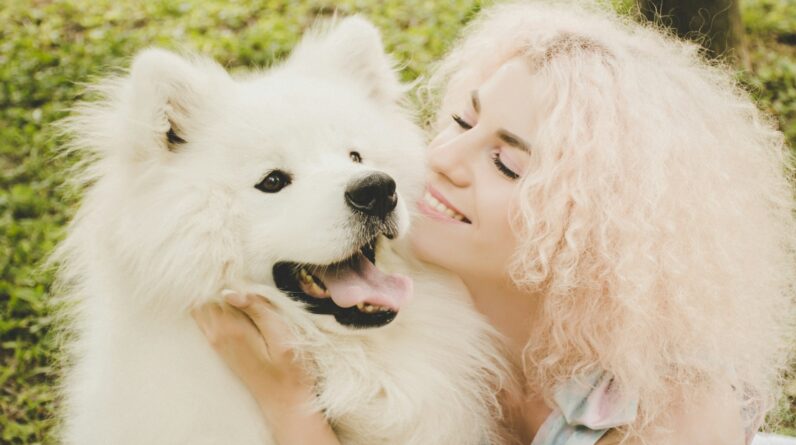
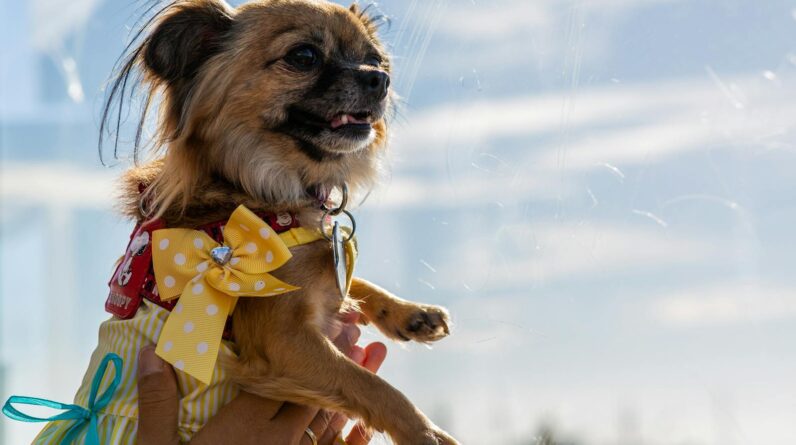
You know how you smile when you’re having fun? Dogs kind of do that, too. They have this happy look on their face, and their mouths might be open a bit like they’re smiling. Also, check out your dog’s body. If they wiggle like a squirmy worm and their tail is going crazy, it’s a good bet they’re happy to see you or just loving life.

Super Excited Greetings
Imagine seeing your best friend. That’s what your dog feels like when they see you! If your dog bounces over to you, tail wagging, and maybe gives you a big, slobbery kiss when you come home, that’s dog talk for “I’m so glad you’re here!” Happy dogs are usually pretty pumped to say hi to their favorite humans.
Happy Playtime
When dogs are happy, they love to play. They might grab their toy and bring it to you, or they might run around like they have too much energy. Playing is their way of having a good time, just like when you play your favorite games. So if your dog seems to be in the mood to play a lot, they’re likely feeling pretty good.
Eating and Drinking Well
When you’re happy, you probably munch on your favorite snacks, right? Happy dogs are the same. They eat their meals without making a fuss, and they drink plenty of water. If your dog is eating and drinking normally, that’s a thumbs up for them feeling good.
Shiny Coat and Bright Eyes
Think of how you look when you’re feeling awesome. Your eyes sparkle, and you’re all clean and fresh. Happy dogs have a shiny coat and bright eyes too. It means they’re healthy and feeling fine. If your dog has a coat that looks good and eyes that twinkle, chances are they’re quite the happy camper.
Peaceful Sleeps
After a fun day, nothing beats a cozy sleep, right? Dogs love a good nap as much as we do, and happy dogs usually sleep really well. If your dog curls up and snoozes without trouble, dreamland is treating them right. That’s another clue they’re happy.
Follow the Leader
Your dog thinks you’re the best thing since chew toys. So, if your dog likes to hang out with you, follow you around the house, and join in on whatever you’re doing, they’re probably feeling pretty joyful. They just want to be part of your pack and do stuff together. That’s what happy dogs do.
How’s the Tail Wagging?
We’ve got to talk more about tails because they’re like a doggy mood ring. Happy dogs wag their tails in a relaxed way. It’s not too fast, not too slow, just right. It’s a sign they’re content and everything’s A-OK.

Quiet and Calm
Sometimes, when your dog is just chilling and looking peaceful, that’s also a sign they’re happy. They don’t bark too much, they’re not running around like they lost their favorite ball, they’re just calm. Happy dogs can be quiet dogs, enjoying the good vibes.
Learning New Tricks
Guess what? Dogs like to learn, especially when they’re feeling good. When your dog is up for learning new tricks or playing new games, it means their brain is excited! A happy dog’s mind is ready for adventure and trying out new stuff.
So, Is Your Dog Happy?
Now you know some of the ways to tell if your dog is happy. Just like us, dogs have all sorts of ways to show what they’re feeling inside. Keep an eye out for these happy signs next time you’re hanging out with your furry buddy. Remember, a happy dog is usually a healthy dog, and there’s nothing better than knowing your dog is living their best life.
And hey, if you’re ever not sure, just spend some extra time with them, give them belly rubs, and make sure they’re getting enough play and exercise. Even if you can’t speak dog, you can definitely show love and care, and that’s what really counts, right?
What are the common signs my dog is happy?
Happy dogs often show a relaxed body posture with a gently wagging tail. They’ll have a soft, open mouth and their ears will be in a natural position, not pinned back or tense. You might also notice your dog has a bouncy, playful attitude when they’re feeling joyful.
Another sign is a good appetite. Happy dogs are usually interested in their food and maintain regular eating habits. They also tend to lean into being petted and seek out your attention, showing they are comfortable and content in your company.
How can I tell if my dog is feeling sad or depressed?
If your dog is less active than usual or shows less interest in things they once enjoyed, this might indicate sadness or depression. Changes in sleeping habits, such as sleeping more than usual, can also be a telltale sign that they’re not feeling their best.
Another clue can be a decrease in appetite or a lack of response to people they normally interact with positively. If you notice any of these signs, it’s important to pay closer attention and consult a vet if you’re concerned, as it could also indicate health issues.
Do dogs really smile when they are happy?
While dogs don’t smile in the same way humans do, they can show happiness through what’s often termed a ‘submissive grin’ or ‘relaxed open mouth’. This looks like the corners of their mouth are turned upwards. This expression is usually paired with other signs of happiness, such as a wagging tail.
It’s important to look at the whole body language of your dog rather than just the facial expression to understand their mood. A happy dog will typically have relaxed body language, bright eyes, and be engaged with their surroundings.
Can a dog’s wagging tail always mean they’re happy?
A wagging tail can mean a lot of things, not just happiness. It’s all about the context and how the rest of the body language matches up. A relaxed, full-body wag often means they’re happy. But a stiff, slow wag may indicate they’re uncertain or feeling anxious.
Watch if the wagging is accompanied by relaxed, playful body language or if the dog’s muscles seem tense. The direction of the wag can also be telling—research suggests a tail wagging more to the right side is associated with positive feelings, while a left-side wag can indicate negative emotions.
What behaviors might show my dog is stressed or anxious?
Signs of stress or anxiety in dogs can include panting, yawning, or licking their lips more than usual when there’s no heat or strenuous activity to explain it. They might also show signs of avoidance like turning their head away, hiding, or walking away from a situation they’re not comfortable with.
Other signs include pacing, trembling, or changes in their eyes, such as dilated pupils or a ‘whale eye’ where the whites of their eyes are more visible. If these behaviors are frequent, it’s wise to seek guidance from a vet or a dog behavior specialist.
Key Takeaways
- Body language tells all: Keep an eye on your dog’s posture, tail wagging, ear positions, and facial expressions. If they’re relaxed and playful, that’s a pretty good sign they’re feeling great.
- Let’s get vocal: Happy dogs usually make sounds that are higher in pitch. If your pup is making more of a low-pitched grumbling sound, they may not be in the best of spirits.
- Check out the zoomies: You know, when your dog gets those sudden bursts of energy and sprints around like crazy? That’s typically a sign they’re bursting with joy and have energy to spare.
- Eating habits matter: If your furball is chowing down with enthusiasm, chances are they’re feeling pretty good. A sudden loss of appetite? That might be a red flag that something’s up mood-wise.
- Looking for cues in playtime: A happy dog is often a playful one. If your dog is engaging with their toys and initiating play, you can bet they’re likely content.
- A little detective work: No one knows your dog like you do. You’re like a detective when it comes to picking up on their usual behavior – changes might indicate changes in mood.
- Health is happiness: Always keep an eye on physical symptoms too, like a shiny coat, clear eyes, and good energy levels. These are hallmarks of not just a happy dog, but a healthy one as well.
- Social butterflies or lone wolves: Dogs have individual social needs; some love company while others might value alone time. Understanding your dog’s unique social preferences can help you gauge their happiness.
Final Thoughts
So, figuring out if your furry pal is in good spirits comes down to a few tells. Tail wagging, with that full-body waggle, practically shouts happiness. Eager barks and a playful bounce when you walk through the door? Those are like your pup’s version of a giant grin.
You’ve also got to play detective with their eating and sleeping routines. Munching down meals with gusto and acing their sleep score means your buddy is likely content. On the flip side, if they’re turning their nose up at food or can’t seem to settle down for a nap, it’s a heads-up that something’s off.
And let’s not forget those soft, soulful eyes and relaxed ears. They’re the doggo equivalent of a thumbs-up. Keep an eye out for these happy hints, and you and your dog will be on the same page. Simple as that!